
Crafting with Nature: Rustic Art Inspiration
- Ahmed Aboul-Saoud
- 5 hours ago
- 4 min read
In a world dominated by sleek, modern aesthetics, there is a growing appreciation for the beauty of rustic art. This form of creativity draws inspiration from the natural world, celebrating the imperfections and raw materials that nature provides. Whether you are an experienced artist or a beginner looking to explore your creative side, crafting with natural elements can be both fulfilling and inspiring.
The Allure of Rustic Art
Rustic art is characterized by its use of natural materials and its embrace of simplicity. It often reflects a connection to the earth, showcasing textures, colors, and forms that are found in nature. This art form can take many shapes, from woodworking and pottery to textile arts and floral arrangements.
Why Choose Rustic Art?
Connection to Nature: Engaging with natural materials fosters a deeper appreciation for the environment. It encourages mindfulness and a sense of grounding.
Sustainability: Using materials sourced from nature often means less reliance on synthetic products, promoting eco-friendly practices.
Unique Creations: Each piece of rustic art is inherently unique due to the variations in natural materials. This individuality adds character and charm to your creations.
Getting Started with Rustic Art
Choosing Your Materials
The first step in crafting rustic art is selecting the right materials. Here are some popular options:
Wood: Driftwood, reclaimed barn wood, and branches can be transformed into stunning sculptures, furniture, or wall art.
Stone: Pebbles and larger stones can be used in mosaics or as decorative elements in various projects.
Plants: Dried flowers, leaves, and grasses can be incorporated into wreaths, centerpieces, or wall hangings.
Textiles: Natural fibers like cotton, wool, and linen can be used for weaving, embroidery, or sewing projects.
Tools You Might Need
Depending on your chosen materials, you may need some basic tools:
Cutting Tools: Saws for wood, scissors for textiles, and knives for stone.
Adhesives: Wood glue, hot glue, or natural adhesives for assembling your pieces.
Finishing Supplies: Sandpaper, paints, or natural oils to enhance the beauty of your creations.
Techniques for Rustic Crafting
Woodworking
Woodworking is a popular avenue for rustic art. Here are a few techniques to consider:
Carving: Use chisels to create intricate designs or simple shapes in wood.
Joinery: Explore traditional joinery techniques to connect pieces of wood without the use of nails or screws.
Upcycling: Transform old furniture or wooden pallets into new, functional art pieces.
Stonework
Stonework can add a rugged charm to your rustic art. Consider these methods:
Mosaic: Create stunning patterns by arranging small pieces of stone or tile.
Sculpting: Use chisels to carve shapes or figures from larger stones.
Garden Art: Incorporate stones into your garden design, using them as borders or decorative elements.
Textile Arts
Textile arts allow for a softer approach to rustic crafting. Here are some ideas:
Weaving: Create wall hangings or rugs using natural fibers.
Embroidery: Add rustic charm to fabric items by hand-stitching designs inspired by nature.
Dyeing: Use natural dyes from plants to color your textiles, enhancing their organic feel.
Inspiration from Nature
Finding inspiration in nature is key to creating rustic art. Here are some ways to spark your creativity:
Nature Walks
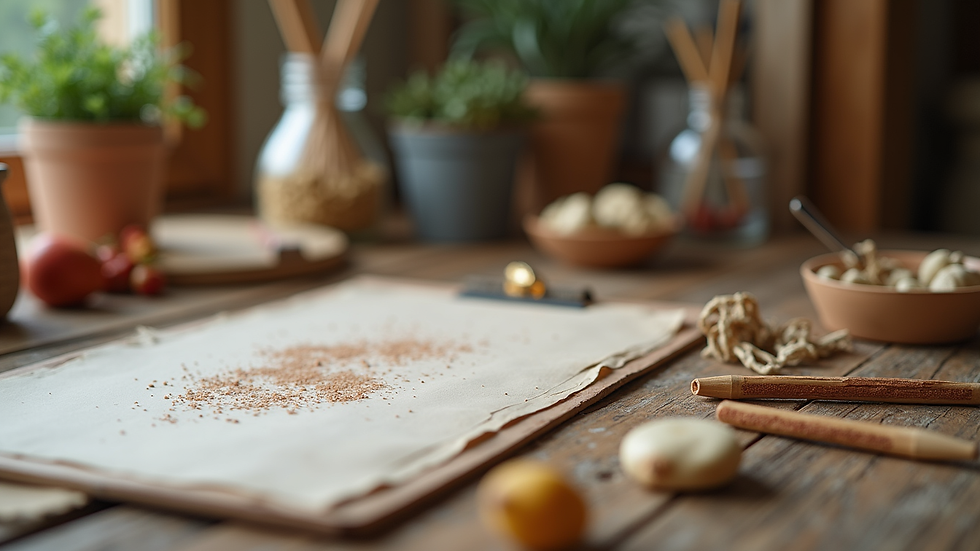
Take a stroll through your local park or forest. Observe the colors, textures, and shapes around you. Collect interesting items like leaves, stones, or twigs that can be used in your projects.
Seasonal Changes
Each season brings its own palette and materials. In spring, look for fresh flowers and greenery. In autumn, gather colorful leaves and acorns. Winter offers unique textures with bare branches and snow.
Art from the Past
Explore traditional crafts from different cultures that emphasize natural materials. For example, Native American beadwork or Scandinavian folk art can provide valuable insights and techniques.
Showcasing Your Rustic Art
Once you have created your rustic art pieces, consider how to display them. Here are some ideas:
Home Decor
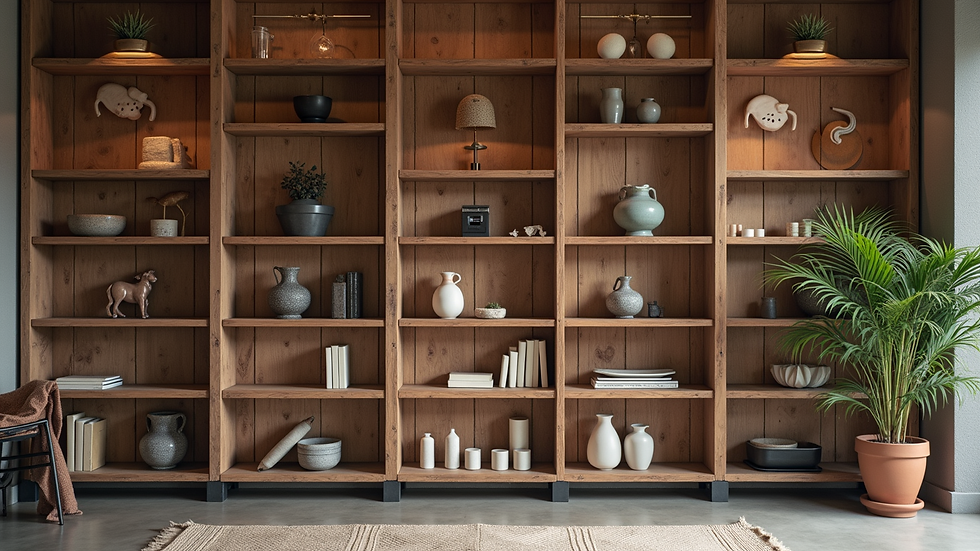
Incorporate your creations into your home decor. Hang wall art, place sculptures on shelves, or use functional pieces like wooden bowls or woven baskets.
Outdoor Spaces
Enhance your garden or patio with rustic art. Create a focal point with a wooden bench, stone pathway, or a decorative trellis adorned with climbing plants.
Gift Giving
Handcrafted rustic art makes for thoughtful gifts. Consider creating personalized items for friends and family, such as custom wooden signs or unique textile pieces.
Community and Collaboration
Engaging with others who share your passion for rustic art can enhance your experience. Here are some ways to connect:
Workshops and Classes
Look for local workshops or classes focused on rustic crafting. These can provide valuable hands-on experience and the opportunity to learn from skilled artisans.
Online Communities
Join online forums or social media groups dedicated to rustic art. Share your work, seek feedback, and find inspiration from fellow crafters.
Art Shows and Markets
Participate in local art shows or craft markets to showcase your work. This not only allows you to share your creations but also connects you with potential customers and fellow artists.
Conclusion
Crafting with nature offers a unique opportunity to express creativity while fostering a deeper connection to the environment. By exploring rustic art, you can create beautiful, meaningful pieces that reflect the beauty of the natural world. Whether you choose woodworking, stonework, or textile arts, the possibilities are endless. So gather your materials, unleash your creativity, and let the beauty of nature inspire your next project.
Remember, the journey of crafting is just as important as the final product. Embrace the process, learn from your experiences, and most importantly, enjoy the art of creating with nature.

Comments